Fence Companies Melbourne: Matching Existing Designs
There's a specific sort of home owner stress that appears when you transform something around your house and it instantly looks "virtually right." The fence is the classic example. You could have changed an area after storm damages, expanded the building border, or exchanged out an entrance that had actually lastly surrendered. Everything functions, absolutely nothing's hazardous, yet aesthetically it rests there like an uncomfortable inequality, the kind you discover every single time you draw into the driveway.
In Melbourne, that trouble is common since great deals of suburbs have actually progressed in stages. A home might have a block fence from the 70s, a timber side fading included later, and a newer steel entrance near the front. When the following repair service is required, it's not just about obtaining a fencing mounted, it's about matching what's currently there. The very best fence companies Melbourne can do the task effectively, yet the actual win is when you can plainly communicate style, products, and details so the outcome looks intentional instead of patched.
What adheres to is how to think of matching existing fencing designs, what to inspect prior to anyone starts reducing lumber or powder-coating steel, and the compromises you will certainly encounter when you try to recreate an older look with existing materials.
Why "matching" is greater than the very same colour
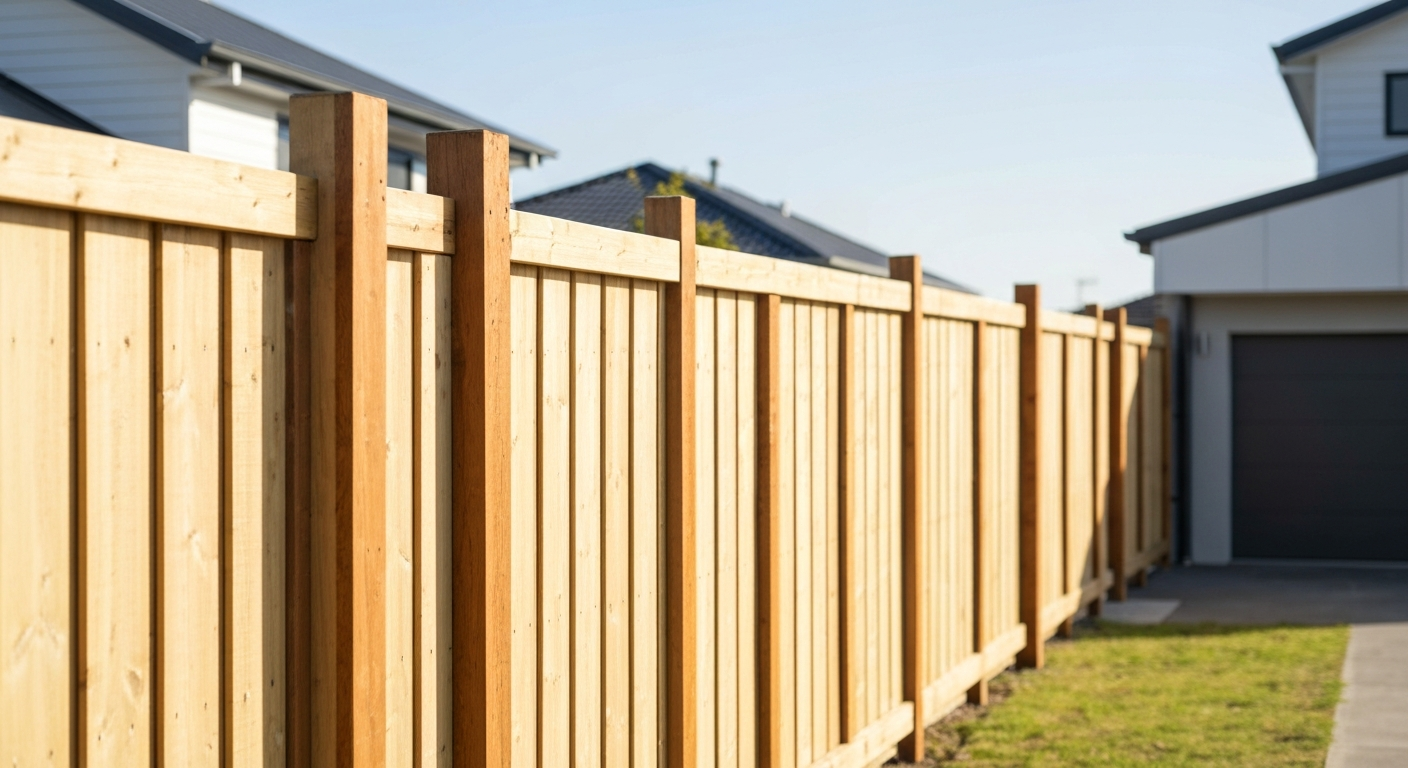
Most fencings have a few key elements that form exactly how they review from the road. The biggest ones are the account of the fencing pickets or slats, the spacing, the top design (right, topped, curved, rounded), and exactly how the blog posts are shared. Then there are the completing options, like whether the hardwood is an all-natural discolor, a strong paint, or left in a weathered grey. Even when the colour looks close, the total impression can still be wrong if the accounts are off by simply a little.
When individuals speak with fencing professionals regarding "matching," they usually concentrate on paint colour or hardwood tone. That issues, yet the eye catches geometry first.
I discovered that by hand on a task we did for a client in the inner north. The original fencing was timber, tarnished a dark warm brownish. A later area had been replaced, however the pickets were slightly broader and the darkness voids in between them were narrower. From the road it looked like a various fence, even though the stain example matched under indoor lighting. When we exchanged the pickets to a more detailed profile and changed the spacing to restore the same darkness line, it quit looking like a patch. The colour didn't have to be excellent anymore, because the fencing "reviewed" correctly.
So matching is primarily about the structure and the silhouette. Colour comes last.
Start with the place, since "appearance" modifications with seeing angle
Fence style isn't judged in one place. A boundary fence behind the yard doesn't get the same examination as a front fence you translucent your gate each day. On edge blocks, the front and side fence are both in play, which's where tiny differences end up being obvious.
Before you book any individual, stroll the boundary and look at the fence from 3 ranges:
- From the driveway or street sight, where your eye tracks the leading line and post spacing.
- From the adjacent property line, where picket width and spacing become noticeable.
- From inside your lawn at eye level, where the grain direction, tarnish deepness, and any kind of equipment become clear.
If you're matching an existing gate, add a 4th point of view. Gates produce activity, and your brain views the means pivots, locks, and framing sit relative to the pickets or slats. A dissimilar gate often turns up also when the border fencing looks fine.
A useful pointer: take photos from each angle in daytime. If you can, consist of something for scale, like a fence message versus the edge of a home window or an action. Photos do not change dimensions, however they aid service providers suggest the ideal picket account, post design, and leading cap alternatives without guessing.
Timber fences: matching accounts, not just species
Timber is both the most convenient and hardest to match. It's most convenient since there are common profiles and you can usually source equivalent sizes. It's hardest since timber acts in different ways depending upon varieties, quality, and the length of time it has actually been exposed.
If your existing fence is weathered, the "colour" is actually years of surface modifications. New timber, also if it coincides types, will certainly look brighter and darker in different ways up until it ages. Solid paint can conceal several of that mismatch, yet it can also trap old personality. Tarnish typically looks more natural, yet it also highlights differences in grain and texture.
Here's what to take note of with lumber matching:
- Picket or paling size and thickness. A a little thicker board alters the darkness line.
- The spacing in between pickets. Limited spaces review as a more strong barrier, wide gaps look lighter.
- The leading edge profile. Some older designs are rounded, some are level, and some use a cap rail that alters how the fence shape sits.
- How articles are ended up. Are they timber messages with a cap? Or are they concrete posts with lumber rails attached?
If the initial fence uses a certain hardwood appearance, a specialist might suggest exchanging to an extra sturdy or regular product today. That can improve longevity, however it can still drift visually. The concession is to use modern-day lumber or a composite where needed for resilience, while maintaining the very same visual profile and spacing. Done well, you won't seem like you have actually "updated" far from the old look.
One edge situation I have actually seen: when the existing wood has deformed a little in time, a straight substitute section can look also crisp. In that scenario, you might really like a somewhat much more rustic or purposefully imperfect finish. Contractors who frequently match existing designs will understand when to prioritise aesthetic connection over perfect straightness.
Metal fences and entrances: matching rails, infill, and post faces
Metal fence prevails in Melbourne due to the fact that it manages weather well and matches a series of styles, from timeless spear tops to modern flat-top layouts. Matching steel is often simpler than timber since profiles are consistent, especially if the fencing is standardised in sections.
But metal mismatches still happen, usually as a result of:
- Different infill forms (level bars versus scrolls, various spear head accounts, or various spacing).
- Rail settings (how high the leading and mid rails sit).
- Post face type (round, square, or with decorative caps).
- Powder-coat luster and colour (matte versus satin, or a slightly various "charcoal" tone).
If your existing fence remains in great condition, you can often aesthetically match the infill by determining one panel and counting the repeat devices. A professional needs to be able to reproduce that pattern. If your existing fencing is discolored, it ends up being a colour-matching workout. Powder finish today can be close, yet older coatings might have shifted due to UV exposure and age.
A little practical monitoring: if you change just one side of a fencing, you see the mismatch extra plainly because sunshine strikes sections differently. The very same colour can look a shade different relying on just how much direct sunlight each area gets. That's another reason the best fence companies Melbourne take note of the whole frontage, not simply the damaged bit.
When matching a gate, pay attention to the frame dimension. Many entrances are made with a specific mounting size and a particular weld or join style. If the mounting adjustments, the gate can look thicker or lighter than the adjacent fencing even when the infill bars are similar.
Brick and rendered fencing sections: matching caps and coping
Brick fencings have a different obstacle. You're usually matching mortar look, brick tone, and the coping or cap account. Despite having similar bricks, age can shift the colour. Likewise, Melbourne weather condition can leave a pattern of staining that is tough to reproduce intentionally.
If you're handling brickwork damages and you want the new area to assimilate, the job often needs to include stonework selections, not simply fence https://lnkd.in/p/g49zhK6r panels. Service providers might require to source blocks that are close, pick a mortar mix that approximates the aged look, and form coping caps to match the existing lines.
One point numerous property owners miss out on: dealing profiles are a massive component of how a brick fence "checks out." A slightly different angle or thickness can make the new work appear like an add-on. If the old fence makes use of a decorative cap, ask whether the substitute coping can duplicate that account rather than simply using a common smooth top.
In some instances, if the brickwork is close but not excellent, a consistent treatment like a suitable sealant or a regular re-pointing technique can aid the fencing look meaningful. However that's a work for individuals that regularly manage heritage and duration design stonework, not general fence installs.
The gate is where design mismatches show first
Gates are motion, equipment, and exposure. If your fence panels are matched however the gate isn't, individuals will see. Even if it's refined, the brain flags it.
When you're matching an existing design gate, examine the following before choices obtain locked in:
- Hinge type and setting. Different hinge sizes transform the look of the frame.
- Latch and manage layout. Hardware sets a visual "period" for the gate.
- Frame density. A thicker framework can make eviction look heavy and bulky.
- The alignment between entrance rails and fencing rails. Even a number of centimetres can produce a visual step.
- Clearance and swing. A gate that swings too close to the fence line can develop a misalignment you really did not plan.
If you're preparing a brand-new gate swing direction or changing ground degrees, tell the installer. Ground conditions in Melbourne can shift gradually because of garden beds, water drainage modifications, and tree origins. A gate that looks perfectly straightened theoretically can sit a little off once installed if the ground isn't prepared to the same degree as the existing joint side.
Materials today vs the "original" look
You commonly desire the old design but with better performance. That stress is normal. Melbourne has wet periods, moisture, and a lot of problems that examine fencing hardware.
Some house owners try to recreate the specific old product, like using timber that looks similar yet isn't as resilient. Others choose contemporary products that last longer, then find they look different.
A balanced strategy is to match the noticeable aspects and update the hidden ones. For example, you can keep the exact same fencing profile and spacing while utilizing extra resilient inner framing, galvanized steel where ideal, or improved correctings created for deterioration resistance. That sort of hybrid strategy can maintain the look and increase life-span without altering the silhouette.
The finest fence companies Melbourne have a tendency to believe this way, especially when they have actually seen the exact same residential or commercial property style evolve over years. They recognize what you desire clients to really feel, which is "this belongs below."
Measuring for an appropriate suit: what to record prior to quoting
This component seems tiring up until you're the one chasing a mismatch after installment. Great quotes rely on precise dimensions and clear documentation.
When matching an existing style, obtain the basics tape-recorded handwritten:
- Exact fence section length to be replaced
- Post spacing in the existing section
- Picket or slat dimensions (size, thickness, and spacing)
- Top rail height and whether there's a cap style
- Whether the old fence sits degree or adheres to ground contour
- Gate dimensions and frame positioning points
The easiest method to stay clear of misunderstandings is to request a composed scope and ask just how the service provider will match the existing accounts. If you can, demand that they reveal you a sample of the recommended infill or picket profile. Melbourne providers can generally supply samples, also if the last fencing is tailor-made.
Here's a brief list I advise before you approve any work when matching an existing fence:
- Confirm account measurements for pickets, slats, or infill bars, not just colour.
- Take pictures from driveway, side, and yard eye level.
- Measure existing blog post spacing and the top line height.
- Discuss just how aged timber or aged metal finish will certainly be handled.
- Ask whether hardware and entrance structure information will match the existing style.
That list conserves time, and it also saves debates later when expectations differ.
Colour matching in Melbourne: daylight, sun fade, and finish type
Colour matching sounds easy, yet it's one of the most subjective components of fence work. Melbourne light changes throughout the day, and various surfaces behave in different ways in sunlight.
If you are dealing with lumber stain, think about that new lumber will certainly not quickly match the aged tone. A specialist could supply a primer and stain system, however the most effective outcome frequently depends upon the length of time the wood is permitted to weather before the remainder of the fence is dealt with, or whether the whole fence is re-stained for consistency.
With powder-coated steel, you're also taking care of surface type. Matte versus satin influences exactly how the surface area shows light. 2 fence panels that are the same colour but different coating can appear like various items. That's why it's worth asking what finish is prepared, and whether examples are available.
If your existing metal fence is older, the colour may have drifted a little because of UV direct exposure. The professional can attempt to match it, but don't be surprised if the match is "close" rather than specific. The distinction becomes evident when the replacement section is in straight sunlight and the existing fence has actually been partly shaded by landscaping.
The workaround, in some cases, is to line up expectations and go for an integrated appearance rather than best replication. If the general shape suits and the replacement remains in a much less noticeable area, it frequently reviews as a continuation. If it gets on the most noticeable frontage, you could need to consider dealing with a larger continual section or planning a steady update.
Common compromises when attempting to recreate an older fence
Matching an older fencing can require concessions, and it's better to choose where you stand before the job begins.
A couple of trade-offs show up consistently:
- Durability vs precise age look. New timber and brand-new steel surfaces have a tendency to look cleaner than aged originals. That can look "wrong" also when it's practically correct.
- Custom accounts vs typical products. Custom suit can take longer and cost even more. Common products can be mounted faster and more affordable, but the profile may not line up perfectly.
- Repairing the best thing vs replacing the entire run. If one area is harmed yet the remainder is ageing rapidly as well, changing the whole run can protect against future mismatches.
Sometimes home owners desire the most inexpensive solution for a small section. Various other times they desire a unified appearance. Both are valid, but the method needs to reflect what you're optimizing for.
If you're replacing only component of the fence, ask the specialist how they deal with the transition. A good installer will not just connect a brand-new section next to an old one and wish for the most effective. They'll consider blending approaches, like aligning picket leading trims, utilizing matching rail elevations, or selecting a surface system that assists the new area visually settle.
Choosing fence companies Melbourne for matching capability
There are a lot of fence installers that can set up a boundary fencing. Not every one of them are set up to match existing designs very carefully, especially throughout various materials.
When you're assessing fence companies Melbourne, search for indications of workmanship and interaction:
- They ask questions concerning the existing account, not simply the total fence height.
- They recommend samples and talk about coating alternatives openly.
- They understand entrances as part of the exact same aesthetic system, not a standalone item.
- They document the scope and talk via what will certainly and won't be flawlessly replicable.
You can additionally determine experience by exactly how they respond to "matching" concerns. If they sweep aside your focus to accounts and spacing, the job may come out looking approximate. If they take it seriously and suggest a cautious technique, you're most likely to obtain that seamless feel.
A useful question to ask during estimating is: "Have you matched similar fences in this suburban area?" You do not need them to list jobs like a pamphlet. What you want is the self-confidence that they have actually seen the same material and style mixes and found out just how to handle the complicated parts.
Planning for tornado repairs and future continuity
Melbourne weather can develop abrupt fencing problems, however you can plan for connection. If you understand you're likely to require future repair services, a consistent product and system can decrease the possibility of inequalities later.
For timber fences, that might indicate making use of a consistent wood quality and finish system throughout the areas you anticipate to repair over time. For steel fencings, it might suggest selecting a galvanised steel system and a powder-coat finish that is similar enough that future replacements can mix better.
It's likewise worth thinking of how available the fence system will be if you need to change rails or panels once again. If the initial style utilizes concealed fasteners behind rails, it can enhance the appearance but make future solution trickier. If matching is essential, you may choose styles that permit panel swaps without dismantling whole sections.
If you've ever tried to get rid of an existing fence panel that was bolted in from angles no more possible to replicate, you know what I mean. It's simpler to plan for the following repair work at the beginning than to retrofit gain access to later.
What an excellent matching job seems like after installation
The real proof is in your everyday regimens. After a great matching installation, you quit thinking of the fencing. You notice various other points rather, garden colour, plants growing through, the means eviction opens efficiently, the means the leading line rests versus the sky.
When matching goes badly, you maintain seeing it. You'll see it while going out the front door, you'll capture it when you back right into the driveway, and you'll see it shown in windows. It comes to be a little day-to-day irritation.
A great installer accounts for those details. They keep the leading line consistent, replicate spacing, align rails, and make the shift in between old and new feeling calculated. Colour and end up assistance, but the shape is what makes the fencing belong.
A functional situation: integrating old and brand-new sections without it looking patched
Imagine a residential or commercial property with an existing wood paling fence on the front border. The middle area was harmed and requires substitute. The remainder of the fence still looks fine however is noticeably aged, with a slight grey-brown tone and small variations in between boards.
In this scenario, the most effective strategy is normally not to "freshen up" simply the replacement area with a new tarnish and call it matched. That can highlight the difference. Instead, you intend to reproduce the picket profile and spacing specifically, after that use a tarnish system that works with the existing hardwood's coating. Sometimes it's worth tarnishing a wider section than the broken part, also if it sets you back a little bit a lot more, due to the fact that it minimizes the jump in aesthetic age.
If you're matching a gate too, you straighten the gate frame density and equipment style with the existing entrance. If the old gate had a particular lock that's currently ceased, you go over choices early, since the substitute equipment can transform eviction's "duration" look instantly.
This is the type of assuming that separates a conventional set up from a matching-focused job.
Final thoughts on matching: choose the ideal type of effort
Matching existing fencing styles is a blend of dimensions, materials knowledge, and visual judgment. It's not only concerning sourcing the appropriate item, it's about deciding how close you require to be, which aspects matter most for your residential or commercial property, and where you can approve a useful compromise.
If you desire the fencing to seem like it has actually always been there, hang around on the profile and spacing information, document what exists, and request for examples for the parts that influence shape. After that choose fence companies Melbourne that deal with matching as part of the solution, not a marketing phrase.
When it's done well, the upgrade or repair service vanishes right into the rhythm of the home. That's the goal, and it's practical, as long as every person begins with the same understanding of what "the very same design" actually means in three dimensions.